
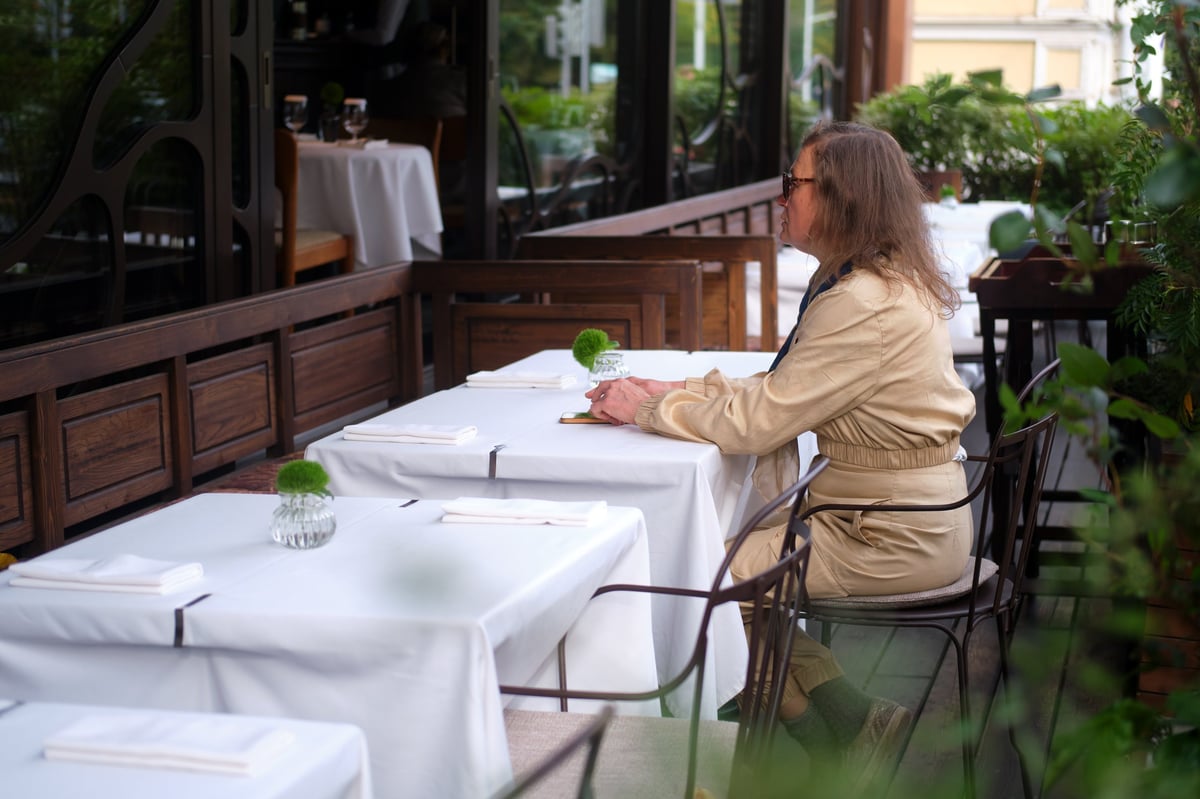
The Things We Stop Waiting for Someone Else to Do
There are things we postpone without ever officially deciding to postpone them.
A concert we want to see. A restaurant we want to try. A museum exhibit that sounds interesting. A weekend drive. A movie. A festival. A class. A place we keep saying we should visit someday.
We are not necessarily waiting for the right time.
Sometimes we are waiting for the right person.
Someone to go with us.
That can happen so quietly that we barely notice it. We see something interesting and think, That would be fun. Then almost immediately comes the second thought.
Who would I go with?
If nobody comes to mind, the idea gets pushed aside.
Maybe next time.
Maybe when a friend is free.
Maybe when someone else wants to go.
And sometimes next time never comes.
There are plenty of things we have been taught are perfectly normal to do alone.
But other experiences somehow ended up in a different category.
Those things are supposed to be shared.
At least that is what many of us absorbed along the way.
The result is a strange little rule that can follow people for years: ordinary life can be lived alone, but enjoyable life needs company.
That rule deserves to be challenged.
Because if there is something you genuinely want to experience, the absence of a companion does not automatically make the experience less worthwhile.
It simply makes it different.
There is no need to pretend otherwise.
Doing something alone for the first time can feel uncomfortable.
You walk into a restaurant and say, “Just one.”
You arrive at a concert and notice the couples and groups around you.
You stand in line by yourself.
You wonder whether anyone is noticing.
You may suddenly become very interested in your phone.
That awkwardness is real.
But something interesting usually happens once the experience actually begins.
You start paying attention to why you came.
The food arrives.
The lights go down.
The music begins.
The exhibit catches your attention. The scenery changes. The conversation happening at the next table becomes background noise.
And slowly the fact that you came alone becomes less important than the fact that you came.

That may be the real breakthrough.
Not learning to love doing everything alone.
Just learning that being alone does not have to disqualify you from participating.
One of the great freedoms of adulthood is eventually realizing how little other people are thinking about us.
Most people in the restaurant are thinking about their own meal.
People at the concert are watching the stage.
The person across the museum gallery is trying to read the same tiny description beside the painting that you are.
Your solo presence is probably not the fascinating social event you imagined it might be.
And even if someone does notice?
They may simply see a person who wanted to be there.
Because that is exactly what you are.
There is something quietly confident about that.
This distinction matters.
Wanting connection and not having enough of it.
Being comfortable in your own company.
The two are not the same.
And a full life usually includes both companionship and independence.
There are experiences that are better shared. There are people whose presence makes an ordinary afternoon memorable. Friendship, family, romance, and community matter enormously.
Living fully does not mean pretending otherwise.
But relationships do not need to become admission tickets to your own life.
You can deeply value companionship while also learning to enjoy experiences without it.
Those ideas belong together.
Something changes when you stop asking only, “Who will go with me?”
You start asking a better question.
“Do I want to go?”
That is a small shift, but it can open a surprising amount of life.
Not every idea needs to become an adventure. Sometimes you will decide it is not worth the trouble.
But at least the decision becomes yours.
You are no longer automatically eliminating possibilities because someone else is unavailable.
Nobody needs to begin with three weeks alone in Europe.
Choose something you genuinely enjoy.
That part matters.
This is not a self-improvement exercise.
You are not proving anything.
The goal is simply to experience something you wanted to experience.
Over time, the unusual becomes ordinary. And ordinary can become enjoyable.
When you go alone, you choose the schedule.
You stay longer if you want. You leave early if you are tired. You order what sounds good. You stop at the roadside attraction nobody else would have cared about. You spend forty minutes in one museum gallery and thirty seconds in another.
You change your mind.
You wander.
There is nobody to negotiate with.
That does not make solo experiences better than shared ones. It makes them their own thing.
And once you discover that, the question changes again.
Before
“I guess I’ll have to go alone.”
After
“I can go.”
Those sentences sound similar.
They feel completely different.
It is easy to imagine that a fuller life is waiting somewhere in the future.
After circumstances change.
After the right people arrive.
After schedules align.
After someone finally says yes.
But there is a life available right now.
It may not look exactly like the one you imagined years ago.
That does not make it smaller.

Some of them will be shared.
Some of them will not.
Both can belong to a good life.
So the next time you discover something you would really like to do and that familiar question appears…
That familiar question appears…
“Who would I go with?”
Try asking another one first.
Do I want to go?
If the answer is yes, maybe that is enough.
Go anyway.