
Discover vital steps to secure your home and ensure peace of mind while living independently. Learn about utility shutoff prevention, hazard detection, and emergency readiness.

A senior woman reviews home utility safety information on her tablet
Living alone offers freedom, privacy, and independence, but it also means there is no one else automatically noticing when something in the home stops working, becomes unsafe, or quietly starts becoming a problem.
A shutoff notice, a silent gas leak, a carbon monoxide alarm you haven't tested in two years — these aren't just inconveniences. For someone living solo, they can become genuine emergencies with no one nearby to notice or help.
Utility safety is not just about preventing emergencies. It is about protecting the stability and confidence that allow you to continue living independently on your own terms.
Protecting yourself means addressing both physical hazards and billing/shutoff threats.
Acting quickly on shutoff notices or health protections opens up more support.
Proper smoke and CO alarms and annual checks are lifesavers for solo agers.
Always have two clear and accessible exits in case you need to evacuate.
Connecting with trusted friends or advisors makes your safety plans stronger.
Most people assume that if the lights are on and the bill is paid, they're safe. That's only half the picture.
Utility safety actually has two distinct sides, and understanding both is what makes the difference between being reactive and being prepared.
Service shutoffs due to missed payments, billing disputes, or failed automatic payments. These are manageable with the right plan, but they can escalate quickly if you're not watching.
Dangers like gas leaks, carbon monoxide (CO) buildup, and fire. These are silent, invisible threats that don't wait for a convenient moment.
Important insight: Prevention at the point of hazard (detectors, venting, alarms) is an entirely different strategy than preventing shutoffs through administrative and financial steps. You need both layers working together.
| Risk Type | Example | Primary Action |
|---|---|---|
| Administrative | Shutoff notice for unpaid bill | Call utility, apply for assistance |
| Physical (gas) | Gas appliance leak | Annual inspection, know shutoff valve |
| Physical (CO) | Carbon monoxide buildup | Install CO detector, test monthly |
| Physical (fire) | Kitchen or electrical fire | Smoke alarm on every floor, clear exits |
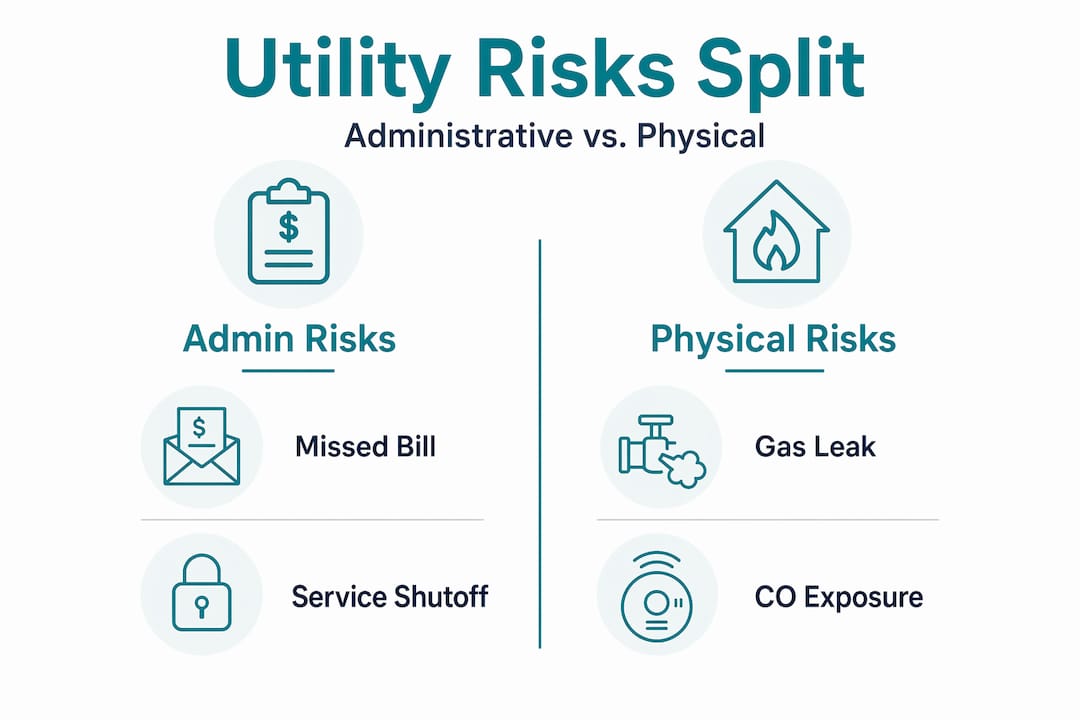
Understanding the two sides of utility safety helps you build a comprehensive protection plan
With the risks clarified, the next step is learning exactly how to keep vital utilities running, no matter what life throws your way.
A shutoff notice is stressful. But what many people don't realize is that the moment that notice arrives, you still have more options than you think — as long as you act quickly.
Key insight: Contact your utility company immediately for options like payment plans, due date extensions, or disconnection holds, and at the same time apply for emergency energy assistance such as LIHEAP. Doing both at once maximizes your options.
Ask specifically about payment plan options, due date extensions, and any disconnection holds available.
Don't wait to see if the payment plan is approved first. Apply simultaneously.
Many electric and gas companies have their own hardship programs that aren't widely advertised. Ask directly.
These organizations often know about emergency funds that aren't on the utility company's website.
Verbal agreements don't always hold. Get the terms confirmed by email or letter.
After the crisis passes, set up account alerts for every upcoming due date so you're never caught off guard again.
LIHEAP serves millions of households annually, but many eligible people never apply because they don't know it exists. If your income has dipped, or if you're spending more than 10% of your income on heating and cooling costs, you may qualify.
If you rely on a home medical device like an oxygen concentrator, CPAP machine, or dialysis equipment, register that fact with your utility company now, before any problem occurs. Many utilities have a medical baseline program or priority response list.
If you have a medical condition that depends on electricity or temperature control, ask your utility company about medical-necessity protections early. Some states allow you to designate a trusted third party to receive shutoff notices on your behalf.
Of course, keeping the lights on is just part of the equation. Let's turn to how you can physically protect yourself from the most common in-home utility hazards.
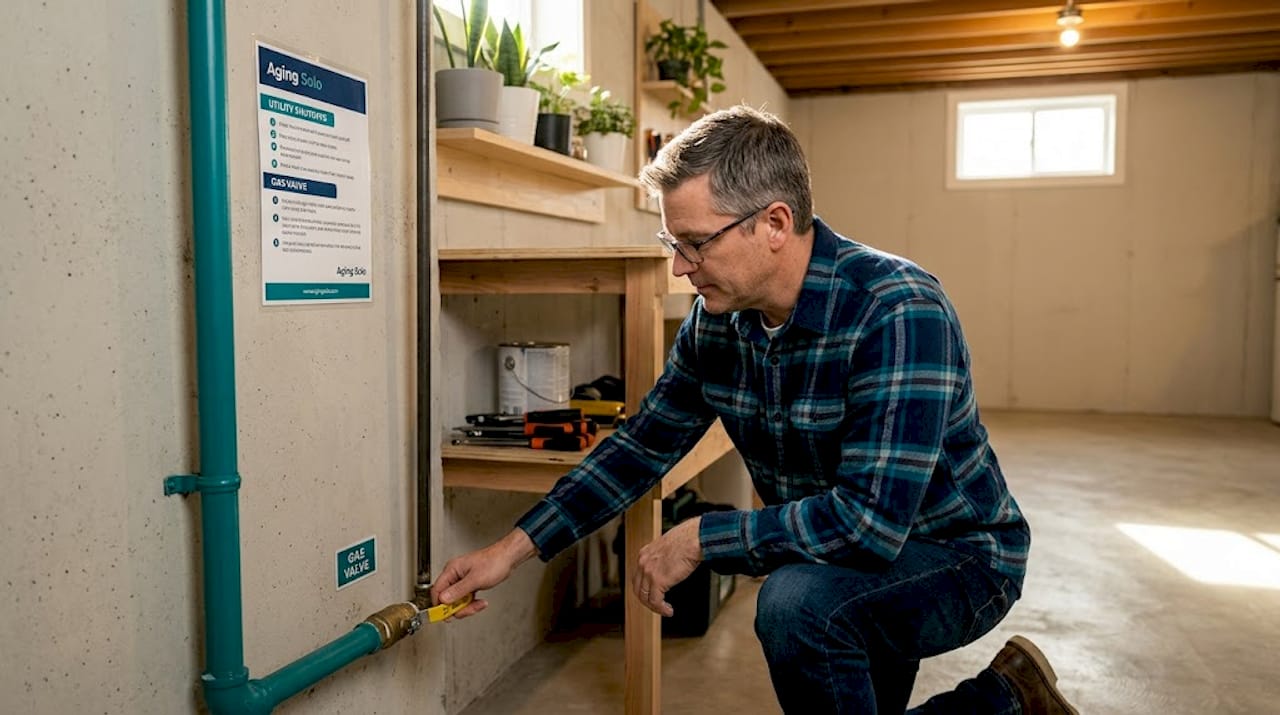
Gas and carbon monoxide are the ones that worry people most, and for good reason. Carbon monoxide is colorless and odorless. You can't see it, smell it, or taste it.
It can build up from faulty furnaces, gas stoves, water heaters, or even attached garages where a car idles briefly.
If a CO alarm sounds continuously, evacuate immediately and call 911 from outside. Do not investigate. Do not open windows and wait. Get out first.
| Alarm Type | Placement | Test Frequency | Replace After |
|---|---|---|---|
| Smoke Alarm | Every floor, inside bedrooms | Monthly | 10 years |
| CO Alarm | Every floor, near sleeping areas | Monthly | 5-7 years |
| Combination Alarm | Every floor | Monthly | Per manufacturer label |
Even a slow drip under a sink can quietly turn into expensive damage before you realize there is a problem. Water damage is one of the most common and costly home insurance claims, and it's often missed until significant damage has already occurred.
If power strips are stacked, cords are running under rugs, or outlets feel warm to the touch, it is time to simplify and reassess the setup. Electrical fires are preventable with a few simple habits.
Never chain multiple power strips together
Never run cords under rugs or furniture
Warm outlets signal overload—call an electrician
Many people living alone put off calling for repairs because they hope the issue will stay manageable a little longer. It's understandable—it feels inconvenient, it might cost more than expected, and there's always something else competing for attention.
Living alone often means there is nobody else casually noticing that something has changed. That makes small maintenance habits even more important.
The key insight: address issues when they're small. A minor repair today can prevent a major problem tomorrow. Set a monthly home check routine and treat it like any other important appointment.
Simple technology can provide an extra layer of reassurance without making your home feel complicated or clinical. The right tools can alert you to problems even when you're not actively looking for them.
Send alerts to your phone even when you're away from home
Notify you via smartphone if carbon monoxide is detected
Detect leaks early before they cause major damage
Monitor and control temperature remotely, receive alerts
When you replace a battery in a smoke or CO alarm, write the date on a piece of tape stuck inside the cover. You'll always know exactly when it was last changed without having to guess.
Know where your main shutoff valve is located. If you're unsure, ask a plumber or your gas company to show you. It takes about two minutes to learn, and that knowledge could matter enormously in an emergency.
With alarms and inspection routines set, the final piece is ensuring you can respond confidently if an emergency strikes at home.
Knowing you have alarms is not the same as knowing they work. And knowing there's an exit is not the same as knowing you can actually use it in the dark, in a hurry, or when you're not feeling your best.
Test every alarm monthly. Put it in your calendar. Use the test button.
Walk both of your exits right now. Are they clear?
Know where your utility shutoffs are. Label them if they aren't already.
Keep a flashlight by your bed. Emergencies don't care what time it is.
Practice your exit plan. Walk both exits at least once a year.
Here's something most home safety guides never say out loud: no alarm, detector, or checklist fully replaces having another person who knows your situation.
That's not meant to discourage you. It's meant to be honest with you.
Most guides treat physical home safety and financial bill management as separate topics. But real independence as a solo ager comes from weaving both together and then adding a third layer: human connection and documentation.
The gadgets matter. The routines matter. But your backup plan — the person or people who know your situation and can step in — matters just as much.
Independence isn't about doing everything alone. It's about having a plan steady enough that you rarely need to call for help and clear enough that when you do, the right people know exactly what to do.
Preparing ahead of time is not pessimistic. It is one of the ways people protect their independence and reduce unnecessary stress during difficult moments.
Keep a basic emergency kit accessible: flashlight, batteries, a battery-powered radio, basic tools, and a list of emergency contacts. Knowing you have a plan can make all the difference.
Write down your utility account numbers, your emergency contacts, your medical equipment needs, and where your shutoff valves are. Put it somewhere a trusted friend or neighbor can find it.
That piece of paper is as important as any detector on the wall.

It is about creating small systems that help life feel safer, calmer, and more manageable over time.
Paying attention to utility safety is one more way to protect your independence and continue living confidently in the place you call home.
Contact your utility company right away to ask about payment extensions or holds, and apply for emergency energy assistance the same day to maximize your options.
Yes, in many locations you can request special protections or delay a shutoff by submitting medical documentation before the shutoff date, so start that process early.
Test your alarms monthly and replace batteries as recommended. Consistent testing is a key part of fire safety for seniors and helps ensure alarms work during an actual emergency.
A continuous CO alarm sound signals real danger. Leave your home immediately and get to fresh air, then call 911 from outside rather than investigating inside.
Yes, always keep at least two exits clear and accessible. Fire safety guidance recommends knowing and practicing both exit routes so you can move quickly if needed.
Practical tips for maintaining your mobility, health, and independence as a solo ager.
Simple tools and technology solutions designed to support independent living.
Essential resources for safe, independent daily living at home.