
Mike C., Founder
Living Fully | Aging Solo Today
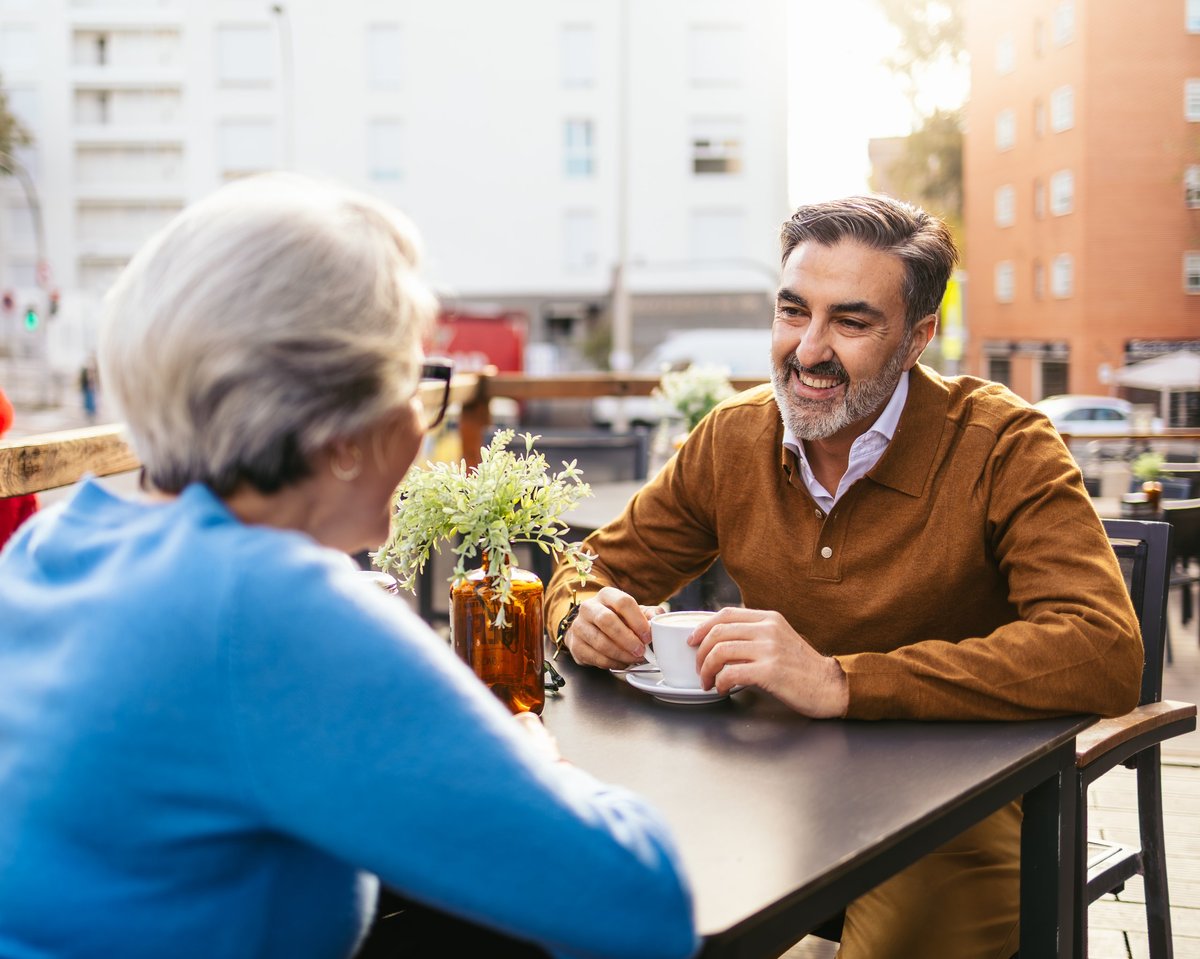
Love later in life rarely arrives on schedule. It may begin with two people meeting for coffee, each carrying some nervousness, some hope, and a lifetime of experiences that came before that first conversation.
There is a quiet script often handed to people as they grow older, especially those who have spent years living on their own. It suggests that romance belongs to an earlier chapter. Wanting a partner is sometimes treated as impractical, unnecessary, or even a little embarrassing, as though desire eventually reaches a retirement age.
It does not.
Wanting companionship does not mean someone has failed to build a satisfying life alone. It does not reveal an empty space that must be filled. A person can be independent, content, and deeply rooted in a life of their own making while still wanting someone with whom to share parts of it.
That may be one of the most meaningful differences between love earlier in life and love found later.
When people are young, relationships often become intertwined with the process of discovering who they are. Partners may build careers, homes, routines, friendships, and identities alongside one another. Later in life, people usually arrive with much of that already established. They have homes they enjoy, schedules they have shaped, friendships they value, and Saturday mornings that belong entirely to them.
They are not necessarily searching for someone to help them become whole. They may simply want someone who appreciates the life they have already created and would enjoy sharing the view.
Both things can be true at once.
That kind of love can feel steadier. It may also require a different understanding of what partnership should look like.
Love does not have to mean reorganizing an entire life around another person. It does not require abandoning favorite routines, surrendering independence, or shrinking personal plans to accommodate someone else. It is possible to care deeply for another person while preserving the life that existed before the relationship began.
A person can look forward to dinner together and still want an evening alone. Someone can treasure a weekend trip with a partner and remain protective of a familiar Saturday morning routine. Affection and independence are not competing forces. In a healthy relationship, they can strengthen one another.


Years of living independently create habits, preferences, and expectations. Daily routines can become deeply settled. Schedules may already be filled with work, family responsibilities, friendships, travel, creative pursuits, or simply the quiet pleasures of having complete control over one's time.
Making room for another person does not mean dismantling all of that. It means learning how two established lives can touch without either one disappearing.
That requires honesty.
It may mean saying clearly that some evenings need to remain private. It may mean explaining that certain commitments are not negotiable. It may mean resisting the old idea that love is only real when two lives merge into one.
A good partner will not interpret every request for space as rejection. A good relationship allows both people to remain recognizable to themselves.
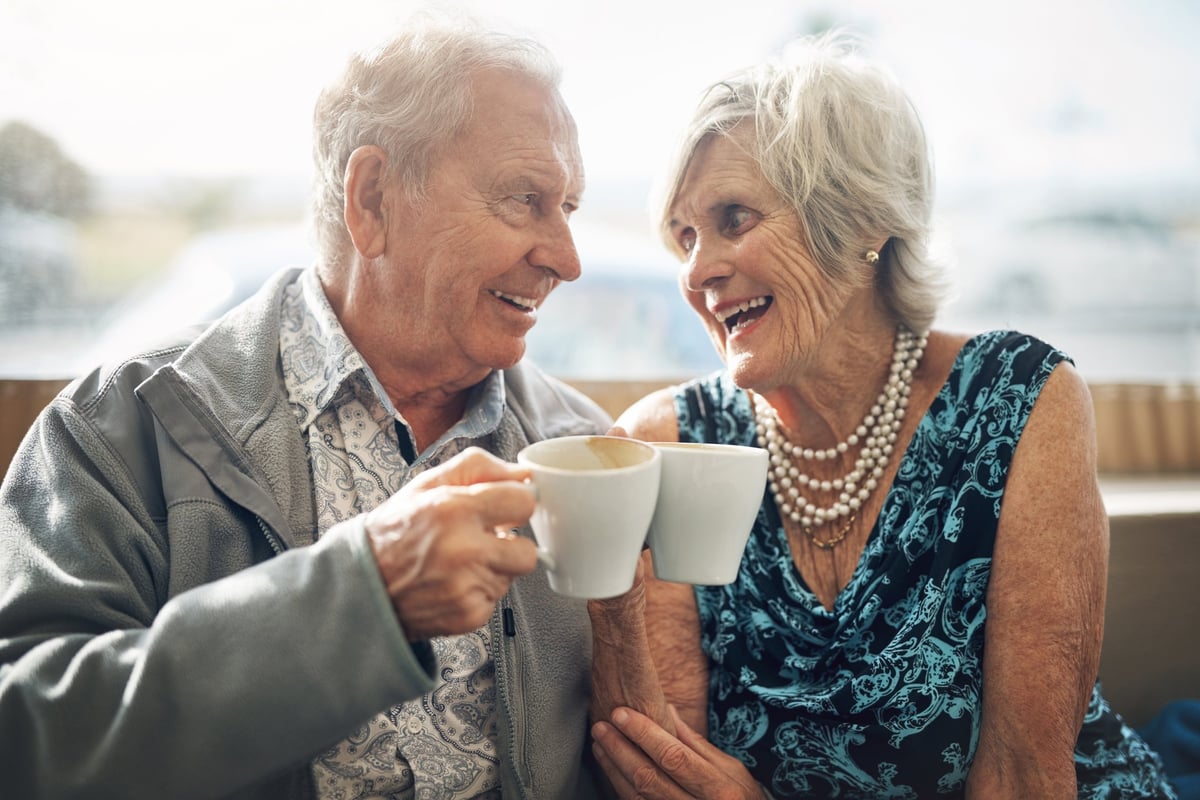
Two established lives can touch without either one disappearing.
Perhaps that is what makes love later in life so powerful. It can add something meaningful without demanding that everything else be surrendered.
A familiar kitchen does not stop belonging to the person who has cooked there alone for years simply because someone new joins them for dinner. Sometimes the room simply feels larger. The life already built has made space for one more good thing without losing what made it valuable in the first place.
There are no guarantees, of course. A new relationship may last for years, for a season, or for only a handful of meaningful conversations. It is impossible to know the ending at the beginning.
But knowing the ending is not a requirement for appreciating what is happening now.
Love later in life does not have to prove anything. It does not need to rescue anyone, erase loneliness, or complete an unfinished person. It can simply be chosen, one day at a time, by two people whose lives were already whole before they met.
For anyone who has quietly decided that romance is no longer possible, practical, or meant for them, it may be time to question that conclusion.
Wanting love does not have an age limit, and neither does joy.
The goal is not to wait for someone else to create a life worth living. It is to build a life you genuinely value, then remain open to the possibility that someone may arrive who makes that already-full life feel even richer.
On your own terms. At your own pace. Without giving yourself away.
This is one piece in an ongoing series about the joy, connection, and wholeness that come with truly enjoying your own company. Explore the rest of the collection — and come back as new essays are added.