
No "10 cutest dogs" list. A real comparison of cats, small dogs, shelter seniors, fish, and birds — with fall risk, costs, and what happens when you can't bend down to scoop a litter box.
The peaceful walks. The companionship. The emotional support. The sense of connection.
And honestly, a lot of that is real. Pets can absolutely make life better while aging solo.
But there is also the reality version: Vet bills. Litter boxes. Fall risks. Emergency planning. Long-term responsibility. The fact that some pets may still be alive 15 years from now.
That is why choosing a pet while aging alone should never be impulsive.
Not because you should avoid it. Because you deserve a choice that actually fits your life.
Not the cutest one. Not the trendiest breed. Not the animal somebody else thinks you "should" get.
The best pet is the one that realistically works with:
Especially if you live alone. Because when you age solo, you are not just choosing companionship. You are choosing responsibility without guaranteed backup.
That deserves honesty.
There is a reason cats consistently rise to the top for older adults. They are independent without being emotionally distant. Companionable without being physically demanding.
Short-haired cats are often the easiest option because they require minimal grooming and no walks. For many solo agers, that balance matters.
Calmer breeds like Ragdolls, British Shorthairs, and Persians tend to work especially well for quieter households.
But there are still realities to think through: Litter maintenance requires bending. Vet care still exists. And many cats live well into their teens. That lifespan matters when aging solo.
Older cats are usually calmer, already trained, and much less physically demanding than kittens. Adopt one and give them a calm home.
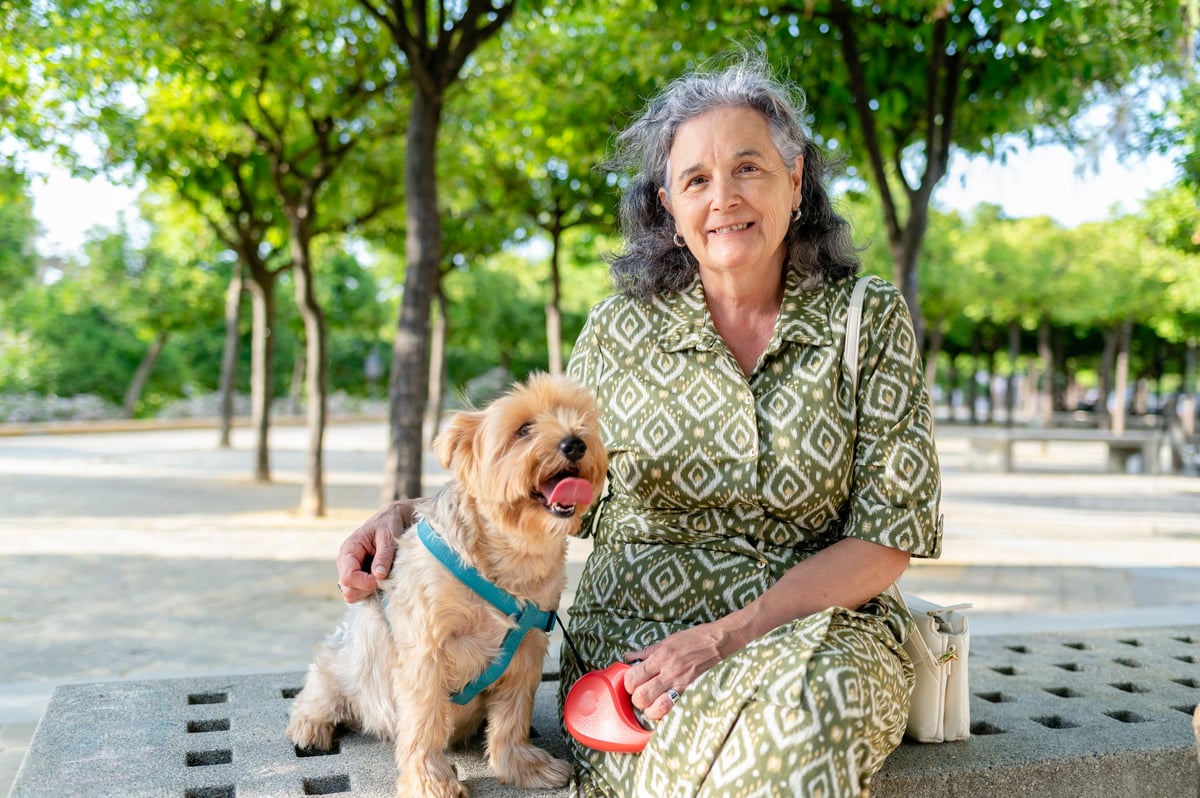
Dogs can create routine, movement, and emotional connection. For some solo agers, they are life-changing in the best possible way. But they are not automatically low-maintenance.
Large, energetic dogs can create serious fall risks. Dogs account for the vast majority of pet-related falls among older adults, often during walks or sudden pulling movements.
That does not mean "never get a dog." It means choose realistically.
A dog is companionship. It is also commitment — daily care, bathroom routines, vet visits, and emergency backup planning.
Puppies are adorable. They are also tiny project managers who destroy your schedule.
Older shelter dogs are often a much better fit for solo agers because they are:
And honestly? There is something deeply meaningful about giving an older animal a calm home later in life.
A small aquarium can create routine and visual calm without physical demands. Betta fish especially thrive in smaller tanks and require minimal daily interaction.
Keep the tank manageable. Small is smarter.
Budgies, finches, and canaries can bring life and sound without walking demands. Some budgies even mimic voices and routines.
Warning: Some birds live over a decade. Cages still need cleaning.
Often overlooked. Guinea pigs are social, gentle, and easy in smaller spaces. Rabbits make wonderful companions too, with a bit more room needed.
Great middle-ground options.
A pet should fit your real life, not your idealized life.
Litter boxes. Tank cleaning. Leashes. Vet appointments. Every pet comes with physical responsibilities.
If you were hospitalized tomorrow, who would care for the animal? If the answer is unclear, solve that before adopting.
Some pets may still need care long after your current living situation changes. Planning ahead is not negativity. It is responsibility.
There is nothing weak about wanting companionship while aging solo. In fact, it is deeply human.
But the goal is not simply filling silence. The goal is building a life that remains manageable, stable, and emotionally supportive over time.
The right pet can absolutely become part of that life. Just choose with honesty instead of impulse.
Future you will be grateful you did.