
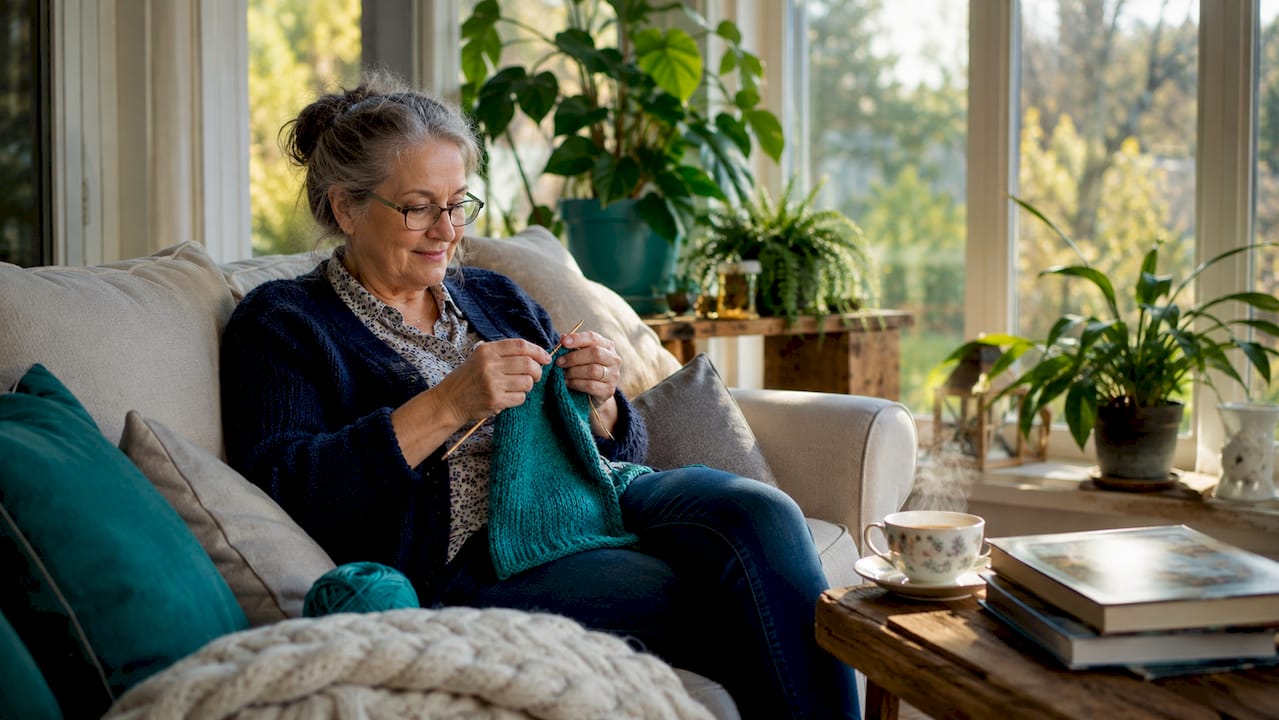
Solo living after 50 isn't a consolation prize — it's a deliberate, satisfying choice that creates space for self-direction, routine, and personal growth. This practical guide shows you how to make it work well.
Solo living is defined as maintaining an independent household without a spouse, partner, or cohabitant, and for adults over 50, it is one of the most personally empowering arrangements available today. Solo-occupancy households now account for 28% of all U.S. households, a figure that reflects a genuine cultural shift toward independent living. The term "solo ager" has emerged as the recognized label for older adults navigating this path without a built-in support system. What follows is a practical, honest guide to making that path work well.
Solo living, in the context of aging, means choosing or adapting to life without a live-in partner, spouse, or nearby adult children to rely on daily. It is not a consolation prize. For many adults over 50, it is a deliberate, satisfying choice that creates space for self-direction, routine, and personal growth. Agingsolo uses the term "solo ager" to describe people in this situation, and it is the most accurate framing available. Understanding what you are actually doing, and naming it clearly, is the first step toward doing it well.
Not everyone who lives alone is a solo ager. Some people have nearby adult children, a spouse who travels frequently, or an extensive support network close to home. They may be living alone, but they are not aging alone in the same way.
Solo agers are different. They may not have a spouse, nearby family, or someone automatically available during an emergency. That is why planning matters. Living alone is a housing arrangement. Aging solo is a planning reality.
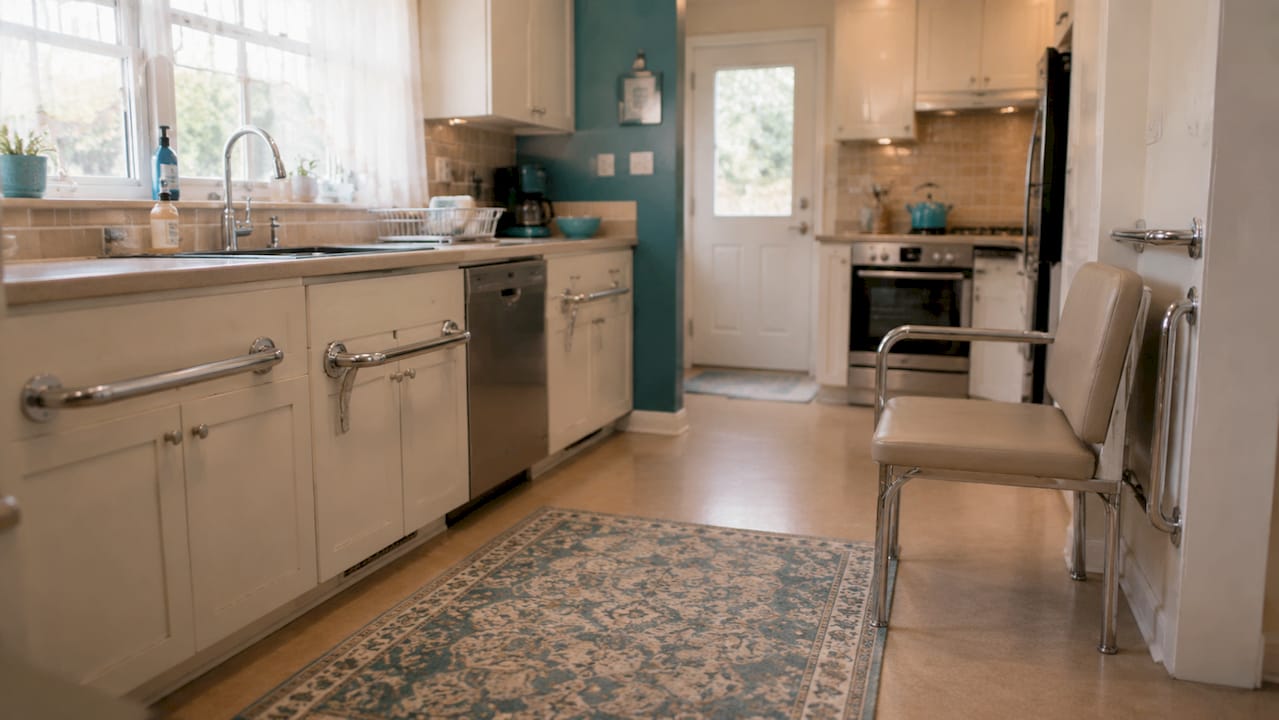
Safety is the foundation of confident independent living. Installing grab bars, using medical alert systems, and communicating safety measures to family reduces anxiety for both solo agers and the people who care about them. These are not signs of frailty. They are signs of planning.
Proactive communication about your safety setup builds trust with family members and reduces the pressure they feel to intervene. A daily check-in system with a trusted neighbor or an automated service adds another layer of reassurance. Emergency preparedness also means keeping a go-bag ready, knowing your local emergency contacts, and having a written plan for power outages or medical events. These are the practical steps that make aging in place sustainable rather than precarious.
Walk through your home with a trusted friend and ask them to spot anything that looks like a fall risk or a security gap. Fresh eyes catch what familiarity hides.
Staying on top of your own home is genuinely good for your brain. Neuroscience experts confirm that actively managing one's household independently builds cognitive resilience and mental well-being in adults over 50. Every time you plan a grocery run, troubleshoot a leaky faucet, or balance a monthly budget, you are exercising memory, problem-solving, and executive function.
A master life admin schedule that covers recurring bills, home maintenance, and social activities reduces stress and prevents crises. Build your schedule in a simple paper planner or a digital calendar app like Google Calendar. Both work. The habit matters more than the tool.
Build a list of trusted local professionals, including a plumber, electrician, and handyperson, before you need them urgently. Finding reliable help during a crisis is far harder than finding it on a calm Tuesday.
Financial clarity is one of the most practical gifts you can give yourself as a solo ager. Without a second income or a partner to share costs, every dollar needs a clear job. Budgeting for one requires more precision than most people expect, but it is entirely manageable with the right system.
For at least 90 days to understand your true spending baseline.
Such as rent or mortgage, utilities, and insurance from variable spending.
Covering three to six months of living expenses whenever possible.
By setting aside a small monthly amount rather than absorbing large surprise costs.
To catch drift before it becomes a problem.
Agingsolo's financial safety checklist for adults 50 and above is a strong starting point for anyone who wants a structured approach. Apps like Mint or YNAB (You Need A Budget) work well for solo households because they make spending patterns visible quickly.
Automate your savings transfer on the same day your income arrives. What you do not see, you do not spend.
Most solo agers spend more time planning vacations than planning emergencies. But when you are aging independently, the unexpected becomes your responsibility — and a little preparation now can prevent major complications later.
Creating answers to these questions today can prevent major complications later. Emergency planning for solo agers is not about fear — it's about making sure the people who would step in actually have what they need to help effectively.
Having everything organized in one location reduces stress for both you and anyone helping during an emergency. A well-prepared binder should contain:
Food and emotional well-being are more connected than most people acknowledge. Batch cooking and planning for emotionally challenging days are two of the most practical techniques for solo agers to maintain both nutrition and morale. Cooking once and eating well for several days is not laziness. It is efficiency.
Keep a short list of "comfort meals" you can make from pantry staples. On hard days, knowing exactly what you will cook removes one more decision from an already heavy moment.
The emotional side of solo living deserves the same attention as the practical side. Adjusting to solo living varies per individual, and counseling or peer support resources can ease the transition, especially after bereavement or divorce. Reaching out for that support is not a sign of struggle. It is a sign of self-awareness.
Thriving in solo living after 50 requires safety planning, cognitive engagement, intentional social connection, and financial clarity working together as a system.
| Point | Details |
|---|---|
| Safety adaptations build confidence | Install grab bars, medical alert systems, and lighting before you feel you need them. |
| Household tasks protect your brain | Managing your own home independently stimulates memory, planning, and problem-solving. |
| Social life requires intention | Build a diverse social portfolio across multiple relationships rather than relying on one person. |
| Financial clarity is non-negotiable | Track spending, build an emergency fund, and plan for home maintenance costs proactively. |
| Emotional well-being needs a plan | Batch cooking, comforting rituals, and peer support all reduce the weight of difficult days. |
| Emergency planning matters | Know who would help and what information they would need if something happened unexpectedly. |
| Independence requires support | The strongest solo agers build support circles before they need them. |
The biggest misconception I encounter is that solo living is something that happens to people. A loss, a divorce, a life that did not go according to plan. That framing does real damage. The adults I have seen thrive while aging alone are the ones who stopped waiting for their circumstances to change and started building around the circumstances they had. Solo aging planning is not about preparing for the worst — it is about creating the conditions for the best.
The quiet can feel heavier than expected at first. That is real, and it deserves acknowledgment. But the people who do this well are not the ones who never feel lonely. They are the ones who built a real safety net before they needed it, who scheduled their social life the way they scheduled their dentist appointments, and who treated their home as something worth investing in rather than just surviving in.
One thing I wish more people heard earlier: independence is not the same as isolation. You can build a strong support circle and still live entirely on your own terms. Those two things are not in conflict. In fact, the support circle is what makes the independence sustainable.
— Mike
If you're building your solo aging plan from scratch, the Aging Solo My Plan Notebook provides organized sections for emergency contacts, medical information, legal planning, financial information, and personal notes. Instead of creating a system yourself, you can simply print, fill it out, and keep it updated over time.
Download the Aging Solo My Plan Notebook →Solo living can be one of the most rewarding chapters of life. But independence works best when it is supported by planning.
Improve home safety
Build your support circle
Organize important documents
Review your finances
Create an emergency plan
Small steps taken today often become the reason tomorrow feels manageable.
Start building a future that is independent, prepared, and connected.
Practical strategies for creating a secure and confident home environment.
Understanding what solo aging truly means and how to thrive independently.
How to stay safe, connected, and independent as a solo ager.
A clear starting point for planning ahead as a solo ager.
What are effective social strategies to counter isolation in solo living?
Living alone does not mean living in isolation. Solo living often makes people more social by encouraging diversified social networks rather than dependence on a single companion. The difference between loneliness and solitude is largely a matter of intention.
Agingsolo recommends thinking of your social life as a portfolio, not a single account. Intentional social planning and a "social portfolio" approach helps solo agers maintain high-quality connections across multiple relationships. That means no single person carries all the weight of your social needs.
While friendships are important, solo agers also need a practical support circle. Think beyond companionship. Who would drive you home after an outpatient procedure? Who would check on you after a storm? Who has a key to your home? Building those relationships before a crisis is one of the most important parts of aging solo successfully.
Practical ways to build that portfolio:
A 2026 study from Denmark found that solo living may not be a permanent choice for everyone, with many solo dwellers remaining open to shared arrangements if the right option arises. That is worth knowing. Your living situation can evolve, and your social network should be strong enough to support you through any transition.