Something to Look Forward To
You don’t need a grand new purpose. Sometimes a fuller life starts with one thing you want to do again.
6 min read
Reflections on solo living

You don’t need a grand new purpose. Sometimes a fuller life starts with one thing you want to do again.
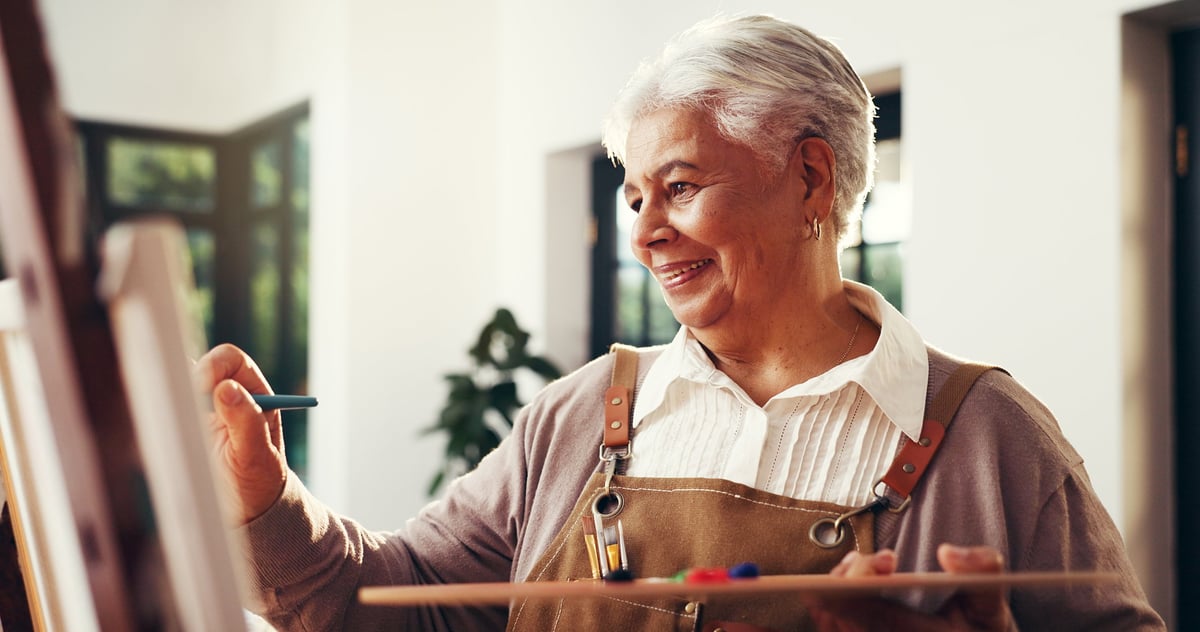
There is a particular kind of pleasure in putting something on the calendar because you want to be there.
A pottery class on Thursday. A Saturday morning walk with people who know the trail. A seat at the little theater downtown. Something you signed up for after looking at the information three times and wondering whether you would feel awkward walking in alone.
Then the day comes. You find your keys, check the address, and leave a little early.
For a while, your attention belongs to something beyond the usual rhythm of the house.
You can be content and want a little more.
When you live solo, you have considerable freedom to shape your days. You can decide what to eat, when to go out, and how much quiet you want. That freedom can be deeply satisfying.
It can also settle into a routine so familiar that very little surprises you.
The same errands. The same chair. The same evening television. None of it necessarily unpleasant. You may enjoy your home and feel perfectly comfortable in your own company.
Still, you can be content and want a little more.
We put a lot of pressure on the idea of purpose later in life.
Find your passion. Reinvent yourself. Make this your most meaningful chapter.
That is a sizable assignment for someone who was simply considering a watercolor class.
An interest does not need to become a calling to deserve a place in your life. You can take photographs without becoming a photographer. Grow tomatoes without mastering gardening. Learn a few chords because you have always liked the sound of a guitar.
You can be curious about something and follow that curiosity far enough to see where it goes.
Perhaps there was something you enjoyed before work, relationships, or family responsibilities took most of your time. Perhaps there is something you have never tried because you assumed it belonged to other people.
People who were more artistic. More adventurous. Better at meeting strangers.
It may be worth questioning that assumption. The person beside you in a beginner class might have been having exactly the same conversation with themselves before they arrived.
Walking into a room where you know nobody can feel harder than the activity itself.
There is the moment of choosing a seat. Wondering whether everyone else came with a friend. Hoping someone will explain what happens next.
A shared activity gives that first conversation somewhere to start.
“Is this seat taken?”
“I think I’ve already managed to get this wrong.”
You have something in front of you to talk about. You can pay attention to the instructor, the trail, the music, or the work in your hands. There is room for conversation without having to produce it continuously.
That can make a class, volunteer shift, or walking group a comfortable way to spend time around people, especially if the thought of a gathering devoted entirely to socializing leaves you cold.
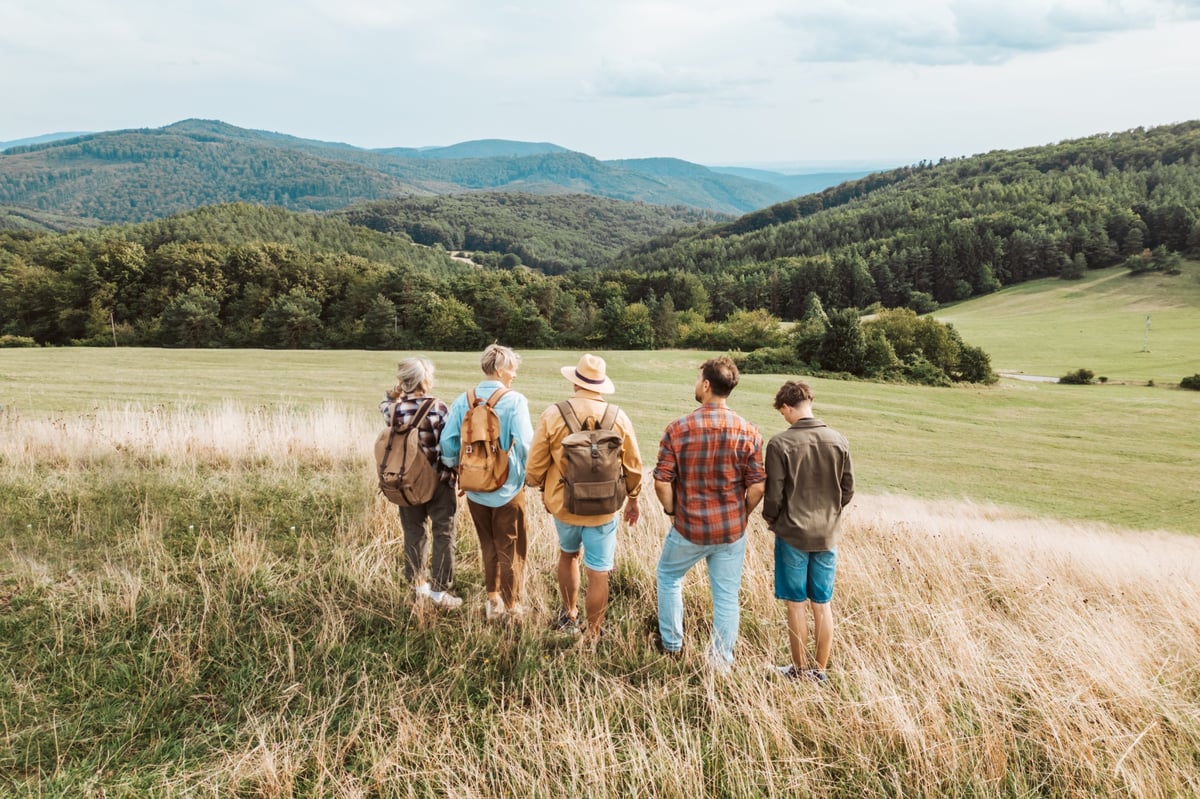
Choose something you would enjoy even if you did not leave with a new friend. Then the afternoon has value on its own, and any connection has space to develop naturally.
The first time somewhere often tells you more about being new than it tells you about whether you belong.
You do not know where to park. You miss an instruction. Someone mentions a name everyone else seems to recognize. You leave wondering whether you should have stayed home.
If the people were welcoming and the activity interested you, consider going back before deciding.
On the second visit, you know which door to use.
Someone may recognize you. You may recognize them. The room requires a little less effort.
With repetition, small exchanges begin to accumulate. A greeting becomes a conversation. A conversation picks up where it left off the week before.
There is something quietly reassuring about arriving somewhere and hearing, “Good to see you again.”
You have become part of the ordinary life of that place.
An appealing idea still needs to work on an ordinary Tuesday.
A class across town may be less enjoyable if getting home means a drive you dislike after dark. An expensive membership can create pressure to attend when you would rather have the freedom to choose. A group may sound wonderful online and meet at a time that never suits you.
Give yourself permission to consider those details.
Look for a beginner session, a trial visit, or a short course before making a larger commitment. Ask whether people commonly attend on their own. Check the cost, the physical demands, and how you will get there.
A nearby option you can comfortably return to may give you more than an impressive one you rarely use.
And remember that you are allowed to leave an activity that does not suit you.
Trying something teaches you about your preferences. That is useful, too.
A fuller life does not require turning every pleasure into a social opportunity.
There is room for the garden you tend alone. The morning you spend making photographs. The recipe you try because you want a good dinner. The book that makes you look forward to getting home.
These things give your days texture. They offer enjoyment that does not depend on someone else being available.
You might eventually share them. You might invite someone over for the meal or send a friend a photograph. You might keep them as a part of your life that is simply yours.
Either way, they count.
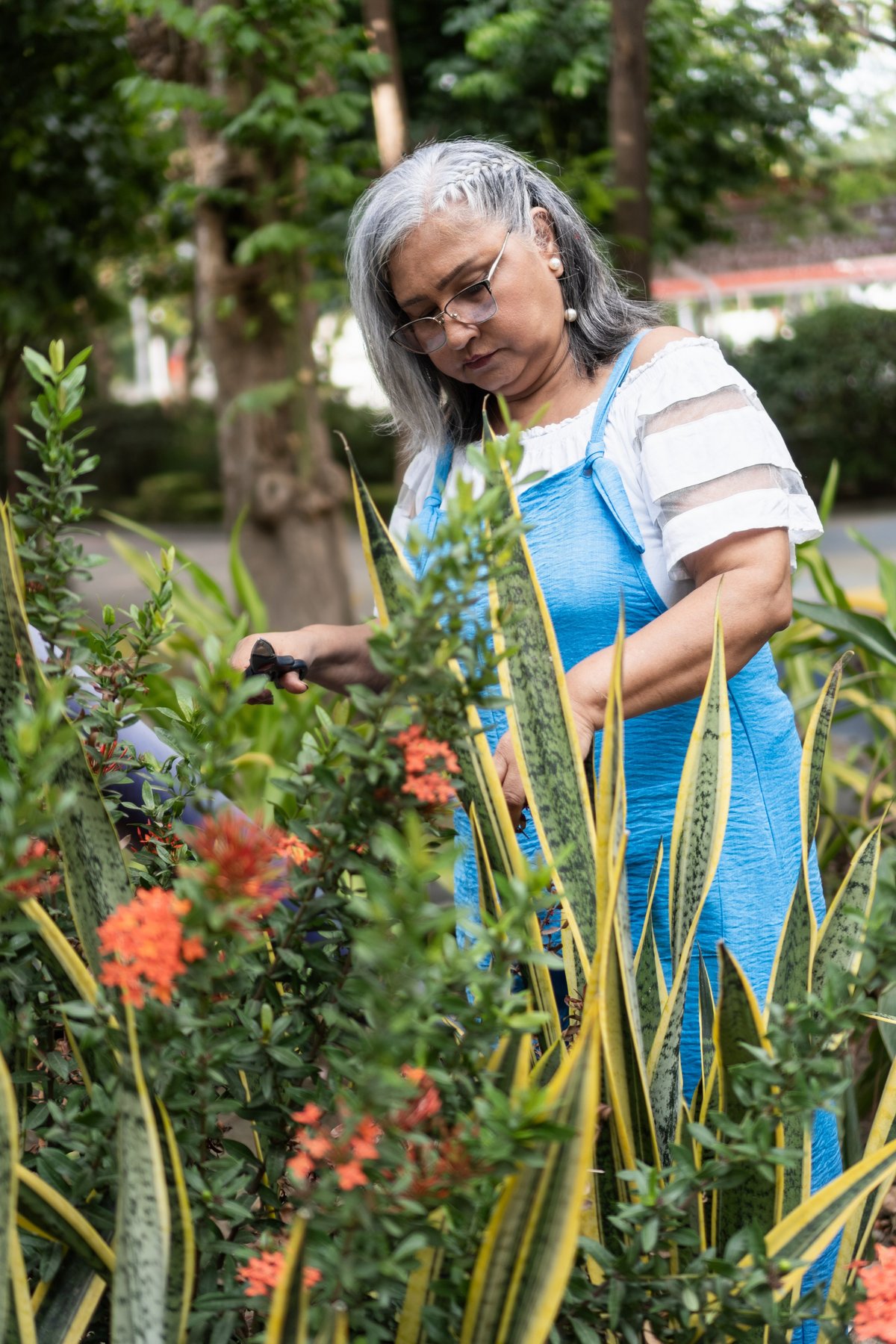 The garden you tend alone
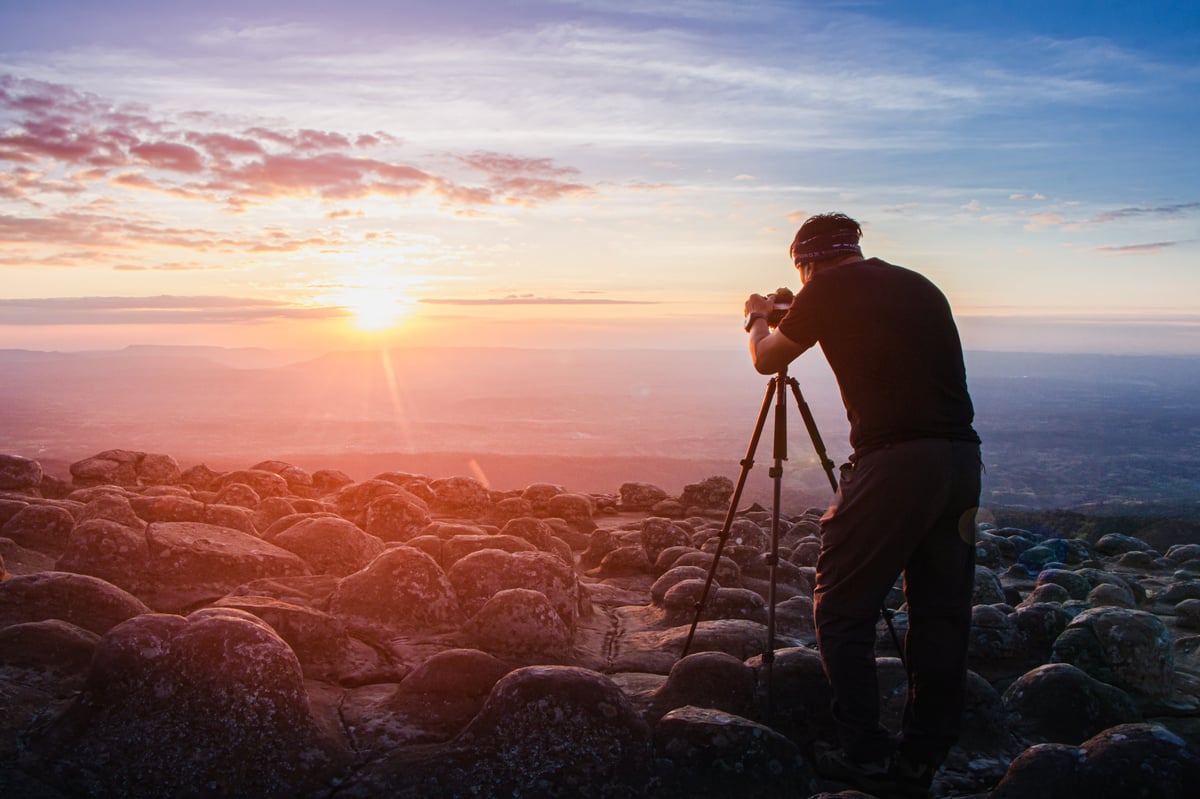 A morning making photographs
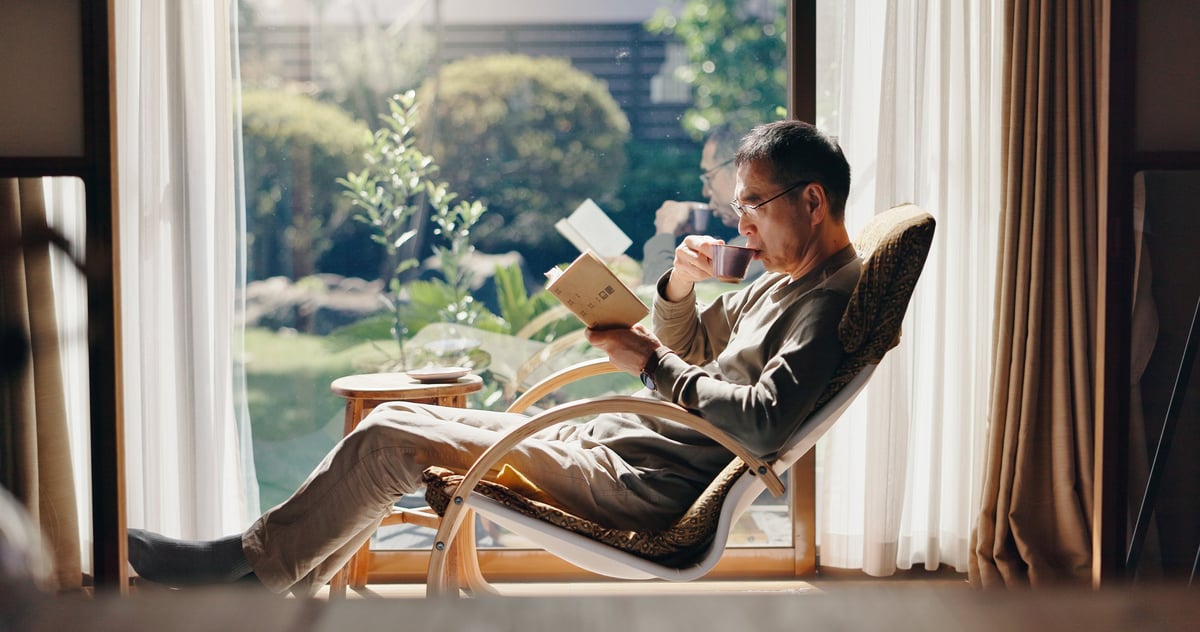 The book waiting at home
Something to look forward to changes more than the hours you spend doing it.
You notice an idea you want to bring to the next class. You hear a song and remember the concert coming up. You check the weather for Saturday’s walk.
The week has a small point of anticipation.
That can matter when you live solo. You are often the person who decides what enters your calendar, which invitations to accept, and whether an interesting possibility becomes an actual outing.
You do not have to fill every open space. A good life has room for rest, familiar routines, and evenings when you are glad to stay home.
But there may also be room for something you have been curious about.

Look up the class. Ask about the group. Buy the ticket. Choose one thing that fits your life and interests you enough to try.
Then see how it feels to have it waiting on the calendar.
You may come home with clay on your sleeve, a name you hope to remember, or a photograph you are pleased with.
Your next step
Browse our printable resources for simple ways to explore interests, build routines, and make the most of living well on your own.
Explore printable resources