
The hidden belonging loss inside retirement — and what solo agers can do about it before the calendar goes quiet.
Mike C.
Founder, Aging Solo Today

The retirement party is easy. The cake, the plaque, the group photo with everyone smiling. Then Monday comes.
On Monday, there's no meeting at 9. No one asks about your weekend. The badge that used to open the front door is deactivated by lunchtime. The coffee that used to be shared with a work friend is now sipped alone at the kitchen counter.
Most people prepare for retirement as though it's mostly a financial event — a shift from a paycheck to a pension, from earning to drawing down. That framing is correct, but it's incomplete. Retirement is also a belonging event. And the belonging piece is often what quietly unravels your first year, long before any money worry does.
What many people aren't prepared for is that retirement doesn't just change what you do each day. It changes who expects to see you. For decades, your life has been woven into hundreds of tiny interactions that quietly reminded you that you mattered. Most disappear almost overnight.
If you're aging solo — without a spouse or adult children nearby to notice the shift — this matters even more. There's no one in the next room to catch it early. Which means the job of noticing, and protecting against it, is yours.
Work does more than pay you. It hands you a whole ecosystem of small, daily belonging cues that no one names until they're gone.
The security guard, the receptionist, the coworker at the next desk. Dozens of low-stakes human moments. Psychologists call these weak ties — the everyday relationships that aren't deeply personal but still help us feel connected — and they make a person feel seen without any effort. Retirement removes them all at once.
For thirty or forty years, one sentence covered it. "I'm a teacher." "I run the produce department at Publix." "I'm a nurse in the ER." That sentence was more than a job title. It was an identity handle other people could grab and connect to.
Alarms, lunch breaks, deadlines, Fridays. Work synchronizes your rhythm with the world around you. When it stops, the days lose their edges and start blurring together.
Even for hybrid or remote workers, work supplied going somewhere. Errands can fill that hole, but not the same way — errands are transactions, not encounters.
The coworkers who noticed when you were tired, remembered a grandchild's name, asked about your trip to Asheville. Nobody at CVS is going to ask you about your grandchild.
Those people may never become close friends, but they become part of the rhythm of your life. They notice when you're missing. They ask about your vacation. They laugh at your stories. Those small moments accumulate into something much larger than we realize.
The U.S. Surgeon General's 2023 advisory on social connection put the stakes plainly: loneliness and social isolation in older adults are linked to depression, anxiety, dementia, heart disease, stroke, and reduced lifespan — with a mortality risk comparable to smoking 15 cigarettes a day.
This isn't a "nice to have" conversation. It's a safety conversation — and for solo agers, it's one you have to have with yourself.
Retirement researchers describe a common arc. The first few weeks feel like a vacation. Then comes a stretch — usually somewhere between month three and month nine — where the newness wears off, the projects run out, and the quiet gets loud. The calendar gets quieter long before loneliness announces itself.
That's not a personal failure. It's the belonging system trying to recalibrate.
Baumeister and Leary's foundational research on belonging found that a lack of attachments is tied to a range of negative outcomes for health, adjustment, and well-being. Belonging isn't just a social preference — it's a nervous-system regulator. When the daily inputs disappear at once, the whole system has to find a new baseline.
Erik Erikson framed the later stages of adult development as a search for generativity and integrity — contributing to something beyond yourself and making sense of the life you've lived. Both require other people. You can't mentor no one. You can't narrate your life to an empty room.
If you haven't yet rebuilt a place to contribute — a place where someone notices when you show up and asks about you when you don't — you're at risk. Not risk of anything dramatic. Risk of slowly dimming.
The most common mistake people aging solo make is treating retirement like a logistics problem: figure out the finances, figure out the healthcare, figure out the paperwork. All necessary. None of it touches belonging.
The second common mistake is waiting too long — assuming the quiet will fill itself in, or that you'll "get around to" building a routine once you settle in. By month six, the phone stays quiet more days than not, the calendar has fewer entries than it used to, and you notice you're more tired than you should be. By then, belonging has already thinned. It's much easier to protect it before it goes quiet than to rebuild it after.
Without a family member close by to catch this drift, you're both the one at risk and the one responsible for watching for it. That's not a burden — it's just the reality of planning solo. And it's entirely manageable with a little intention.
None of what follows is medical advice. It's practical, low-cost, and doable by anyone willing to pay attention on purpose.
Ask yourself the identity question, not the activity question.
"What am I going to miss about work that has nothing to do with money?" Sit with the answer. It's the map to what needs protecting.
Name your weak ties.
Who at work will you lose touch with the day you hand in the badge? Exchange personal phone numbers, or set up a standing coffee before your last day. Weak ties don't survive on good intentions — they survive on calendared contact.
Locate your "third place" now.
Not your home, not your old workplace, but the third place where you're a regular and get recognized. Diner, library, church, gym, VFW hall, community garden, dog park. If none exists yet, this is the single most important thing to build in the last six months of working life — not the first six months after.
Choose one backup person.
Someone who will notice if your routine goes quiet — a neighbor, a friend, a sibling, a member of your faith community. Tell them plainly: "If you don't hear from me for a week, check in." This is a small ask that does a lot of work later.
Build a weekly anchor.
One recurring, out-of-the-house, other-people-are-there event on the calendar every week. Same day, same time, same faces. This isn't "a hobby." It's a belonging anchor — the Rotary lunch, the Tuesday morning walking group, the Wednesday breakfast at church. The activity itself matters less than becoming someone people expect to see.
Protect the morning.
Slipping into slow mornings — TV on, robe still on at 11 — is often where belonging erodes fastest, because the first hours set the day's shape. Give yourself a reason to be dressed and out the door by 9:30 at least three days a week.
Keep one work relationship alive.
One former coworker, one standing check-in. Text, coffee, phone call — the format matters less than the continuity. That relationship is a bridge from your old identity to your new one. Many retirees say they're surprised how quickly work friendships fade — not because anyone intended them to, but because routines disappeared. Don't leave those relationships to chance.
Watch your own shrinking calendar.
If your calendar keeps shrinking month after month, don't ignore it. A quiet calendar is often the first sign that belonging is quietly slipping away.
Take on a contribution role.
Not another activity — a role. Volunteer greeter at the hospital. Reading tutor at the elementary school. Deacon at church. Board member of the HOA. The word "role" matters. Roles come with expectations, other people, and a reason to show up on a Tuesday.
Ask yourself the question no one else will ask you.
"Who would notice if I didn't show up somewhere this week?" That's the single best diagnostic for belonging in retirement. If the honest answer is "nobody, really," that's the work in front of you.
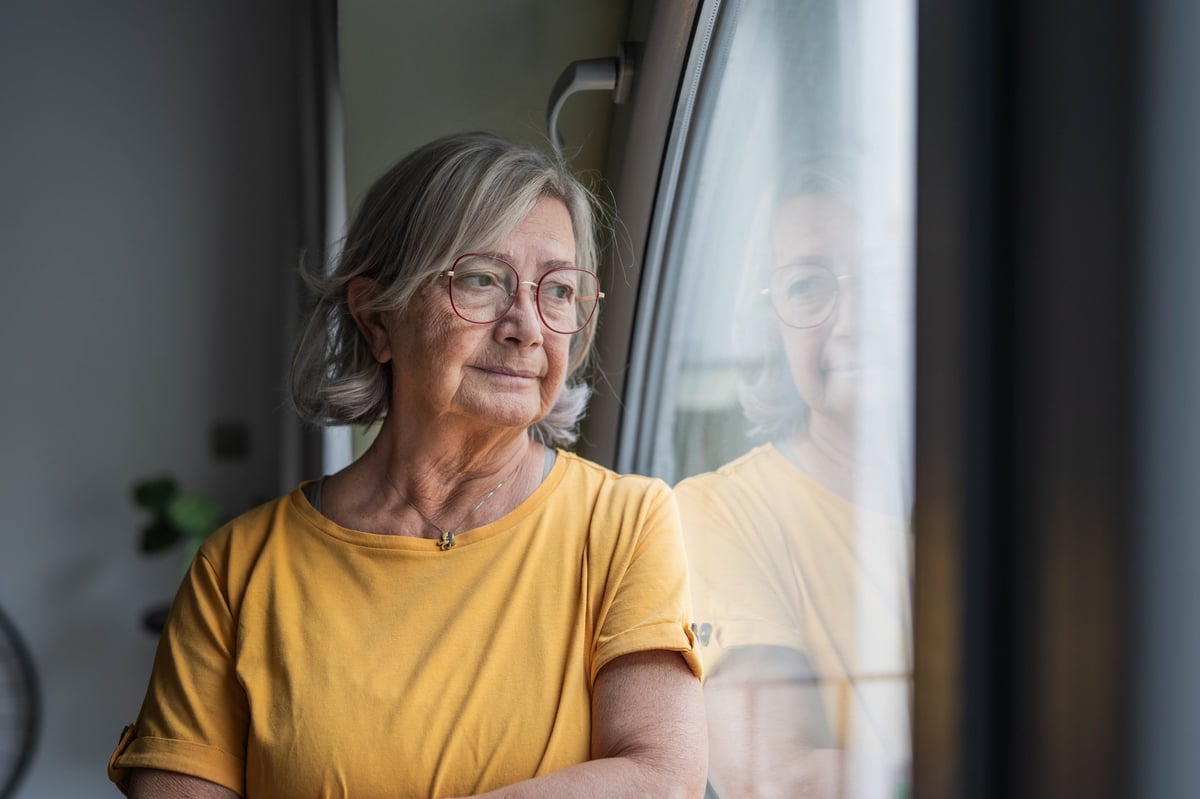
The Harvard Study of Adult Development — the longest study of adult life ever conducted — has followed the same people for more than 80 years. Its director, Robert Waldinger, has said the single strongest predictor of health and happiness in later life isn't wealth, cholesterol, or exercise — it's the quality of a person's relationships.
That's not a soft finding. That's the top of the evidence pile.
Retirement doesn't have to erode relationships. But it will, by default, if no one designs against it. The people who thrive in retirement are almost always people who — by luck or by intention — built belonging into their new life before the old one ended.
The good news: intention costs nothing. A conversation with a future backup person, a standing calendar entry, a weekly walk, a volunteer role that puts you somewhere other people expect you to be. These aren't expensive interventions. They're just deliberate ones.
Retirement removes the paycheck. That's the visible part.
Retirement also removes dozens of small, daily belonging cues that no one thinks to name. That's the hidden part — and it's the part that decides whether your next chapter is thriving or dimming.
For solo agers especially, planning for belonging isn't a soft add-on to the "real" planning. It's part of the same act of self-respect as naming a backup person for medical decisions or getting your paperwork in order. Good planning covers your home, your health, your finances — and your people.
Retirement isn't something to survive. It's something to design.
If you're heading toward that Monday when the badge stops working, the most caring thing you can do for yourself isn't to plan your leisure. It's to plan your belonging.
U.S. Surgeon General. (2023). Our Epidemic of Loneliness and Isolation.
Baumeister, R. F., & Leary, M. R. (1995). The Need to Belong. Psychological Bulletin.
Erikson's stages of psychosocial development. Oxford Academic.
Waldinger, R. Harvard Study of Adult Development.
Aging Solo Today
Aging Solo Today is a resource for adults planning to age in place without a built-in caregiver nearby. Nothing here is medical advice — this is practical, non-medical guidance for building a plan you can trust.
— Mike C., Founder
Article
Hidden Loneliness in Aging Adults
Understanding and addressing the loneliness that hides in plain sight.
Guide
Build Your Support Circle
Learn how to create your own village of care before you need it.
Article
Independence Is Not Isolation
Building a support circle intentionally, before you need one.
Plan
30-Day Connection Plan
A month-long plan to build connection, safety, and belonging.