
A Practical Plan for Solo Agers
For people aging solo, pets are often more than companions.
Routine
Connection
Comfort
Structure
"A dog that gets you outside every morning.
A cat waiting quietly nearby at the end of a difficult day.
A living reminder that someone still depends on you."
If something suddenly happened to you tonight,
what would happen to your pet tomorrow morning?
Because emergencies do not arrive on a schedule.
Most people think only about what happens to a pet after death. In reality, the more common situation is temporary incapacity.
Then two days becomes two weeks.
A Fall
A Stroke
Sudden Hospitalization
Longer Recovery
A good emergency plan is not about fear. It is about reducing chaos.
This is the most likely situation.
An illness, injury, or hospitalization suddenly keeps you away from home.
Sometimes recovery takes longer than expected.
These conversations are much calmer before a crisis than during one.
Nobody likes thinking about this. But avoiding the conversation does not protect the pet.
If no written plan exists, decisions are left to overwhelmed relatives, neighbors, emergency personnel, or animal shelters.
A clear plan is an act of care.
Not pessimism. Care.
Research shows many older adults delay medical treatment because they are worried about their pets.
That concern makes sense. For solo agers especially, a pet may represent stability, emotional support, and daily connection. The fear of losing that relationship can become strong enough to delay seeking help.
Planning ahead removes some of that fear.
When you know your pet is protected, you are more likely to protect
yourself too.
This does not need to become a giant legal project.
It just needs to be practical.
Someone should notice quickly if something is wrong.
That can be a trusted friend, neighbor, family member, or automated check-in app. Several services now allow daily check-ins with emergency escalation if you do not respond.
Important: Make sure your designated pet caregiver is connected to the system.
Emergency responders cannot protect what they do not know exists.
A visible "Pets Inside" window decal can alert responders during emergencies.
Carry a wallet card that includes:
Redundancy matters. One contact is not enough.
Think of this as your pet's emergency kit.
If someone needed to step in tonight, could they realistically do it?
That is the standard.
Without written permission, caregivers may not be able to authorize veterinary treatment.
A simple signed letter can prevent delays and confusion during emergencies.
Give copies to:
Simple beats perfect. Done beats postponed.
There is a strange myth that planning for emergencies somehow weakens independence.
It does the opposite.
Real independence is not pretending emergencies never
happen.
It is creating systems that protect your life when they do.
That includes protecting the living creature depending on you every day.
Because aging solo does not mean aging unsupported.
And caring enough to make a plan is one of the strongest things you
can do.
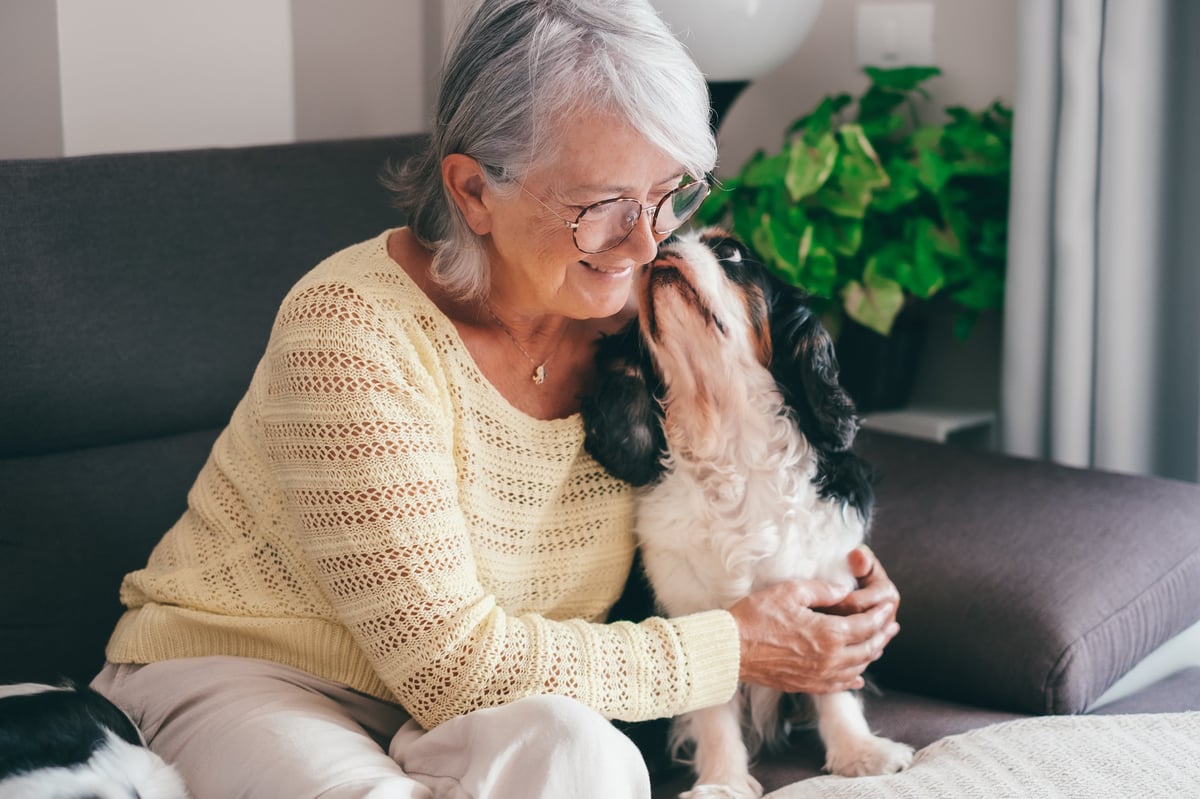
A living reminder that someone still depends on you.
Start building your emergency pet care plan today. Your pet depends on you—and taking action now means peace of mind for both of you.
Explore more resources in The Soloist's Toolkit or return to Health and Emergency Planning